
Mold Remediation
Containing mold growth comes first in mold remediation, followed by removal, cleaning and correction of the moisture problem that allowed it.
See mold remediationGet a plan for growth around vents in Baldwin Hills. It should cover containment, cleaning, drying and moisture correction.
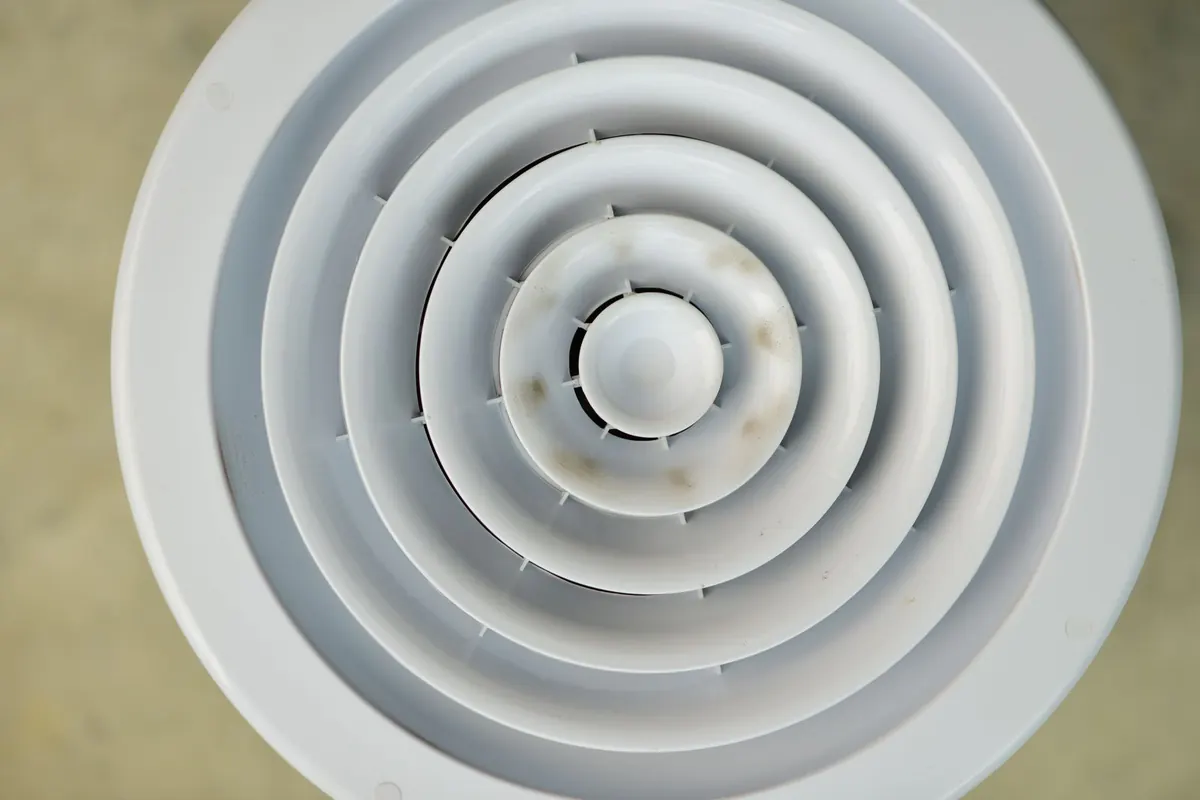
This service corrects the source of moisture and cleans affected HVAC parts.
Affected materials may be the evaporator coil, drain pan, air handler, condensate line and ducts. A check tells dust apart from visible mold growth.
Containment, HEPA air filtration and drying may be necessary. A written work scope should identify the materials involved, repair needs and planned methods.

For clean register protection, ask about containment locations and planned negative air pressure.
The scope should identify affected ducts, vents, insulation and equipment, then separate repairs.
Before turning the system on again, have an independent assessor conduct clearance testing.
Find out how checks will cover the condensate drain, pan, seams and coil. The scope should assign repairs.
An inspection should cover linked ducts, equipment, the visible mark and nearby material.
A clogged line, standing water or an air leak can leave the coil and cabinet damp.
Mold growth may continue beyond a single opening. Your duct material guides the choice between replacement and cleaning.
A mold's color does not indicate risk. Check the water source, affected area and porous surfaces.
Hidden moisture can appear as spots on a register. Inspect the area for water stains, damp drywall or peeling paint.
Avoid possible mold and switch off the equipment involved.
Call (844) 352-3560Fixr puts HVAC mold involving air ducts between $3,000 and $10,000 while its guide ranges vent mold with unaffected ducts from $100 to $500 in cost. The air duct range is $600 to $2,000 according to Bob Vila. These amounts are not a quote.
Published national cost guides are the source of these ranges, rather than an inspection of your property. An on-site assessment determines the price for your property, and you should receive an explanation before the work begins.
Ask about cost: (844) 352-3560Coverage may apply when mold follows covered sudden water damage. Policies commonly exclude neglected maintenance and slow leaks. Mold sublimits may apply.
California's Toxic Mold Protection Act includes a landlord written-disclosure section (Health and Safety Code 26147). By its own wording it applies only after the state adopts mold exposure standards, and the state health department has said it could not set them. Retain your photos, repair details, readings and scope of work.
Promptly report it. Before removal, ask about inspection requirements, sublimits and coverage.
Under California's housing law, visible mold found by a health officer or code enforcement officer can make a rental substandard. Renters can contact their local health or code enforcement department to ask for an inspection. Store photographs and maintenance communications about leaks and vents.
Payment depends on why the unit became wet. Recurring condensation and a one-time leak may receive different coverage.
The plan starts with inspection and containment. Cleaning, drying and a check after remediation follow.
After protective equipment is ready, check ducts, vents and the air handler for moisture and square footage.
Poly sheeting and negative air pressure contain the HEPA air scrubber used as an air filtration device.
Mold on suitable non-porous surfaces is cleaned with a HEPA vacuum and damp wiping. Do not replace cleaning with antimicrobial treatment.
Wet insulation may need tear out with flexible duct or drywall, followed by replacement of materials.
The leak is corrected and cavities are dried. Condensation may decrease after duct sealing.
Dryness and cleanliness get checked during post-remediation verification. An independent assessor conducts clearance testing.

Call at any time. Your call reaches a HVAC and air duct mold removal specialist who hears your concerns and explains the process ahead.
Contamination may spread through moving air and concealed components.
Growth may remain within flexible ducts and insulation. Replacement may be necessary for material that cleaning cannot restore.
Mold spores may escape when ducts open. Occupied spaces are protected with poly sheeting and negative air pressure.
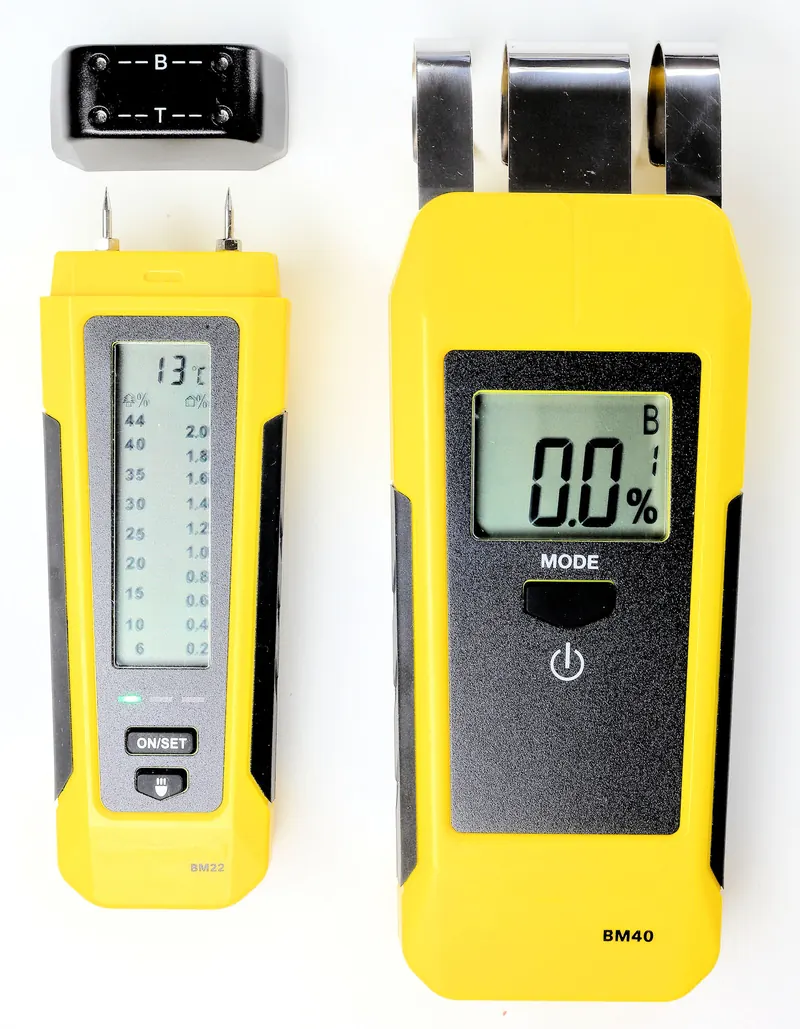
A moisture meter can locate hidden damp material behind a dry register.
Can you clean it yourself? EPA says homeowners can often clean areas smaller than about 10 square feet. Experienced help is called for when HVAC equipment, sewage or contaminated water is involved.
Access, moisture correction and replacement work shape the timeline. Schedule only after inspection.
Damp dust or growth in the vents can create a musty smell. An odor alone neither pinpoints mold nor removes it.
EPA recommends relative humidity under 60 percent, and 30 to 50 percent is ideal. Moisture correction cannot be replaced by a dehumidifier.
California has no state license or certification for mold assessors or remediators, according to the California Department of Public Health. General construction work above a small dollar amount does need a license from the Contractors State License Board (CSLB), so it is worth checking a contractor's license there and asking about their mold training. Ask whether mechanical repairs or rebuilding require permits.
EPA guidelines say contaminated equipment might distribute mold around the structure. Keep it off.
To prevent mold growth, EPA says water-damaged areas should be dried with affected items within 24 to 48 hours. The water problem also needs repair.
The California Department of Public Health (CDPH) Air Quality Section publishes mold and dampness guidance and a mold FAQ. CDPH says visible mold, dampness, and mold odor are unhealthy and should be fixed, and that routine mold testing is not needed when mold is visible. No federal limit exists for indoor mold levels. Find out what local rules apply.
The full HVAC and air duct mold removal guide covers what is cleaned or removed, odor and air quality work, and the rules that apply in your state.
Read the full HVAC and air duct mold removal guide
Local humidity and housing, along with access to your property, can influence mold cleanup planning, moisture control and containment.
When mold appears in a Baldwin Hills property, checking the room above, below, and beside it can reveal moisture moving through shared building materials.
Dry water-damaged areas and items within 24 to 48 hours to prevent mold growth, and remove porous material when it cannot be fully cleaned and dried.
Your call can include questions about mold cleanup availability in close-by communities and ZIP codes.
Containing mold growth comes first in mold remediation, followed by removal, cleaning and correction of the moisture problem that allowed it.
See mold remediation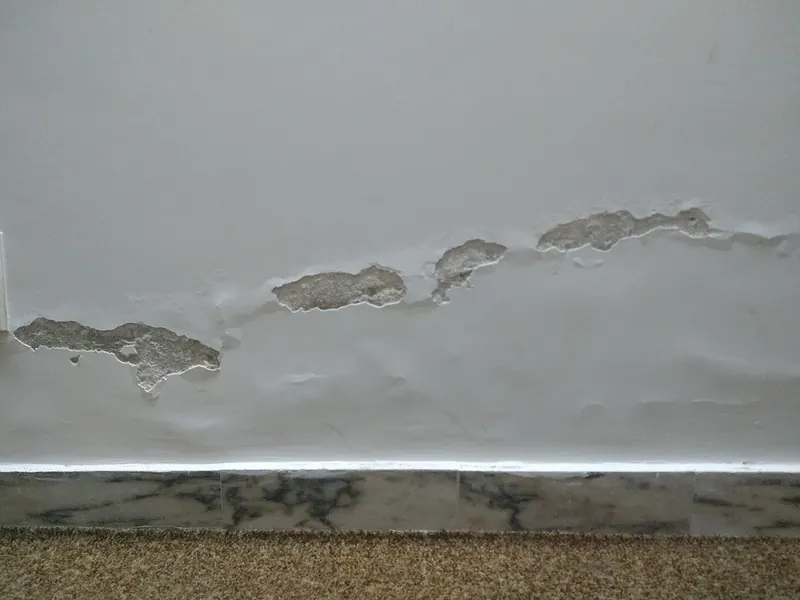
Growth concealed above ceilings, below floors or inside walls is found and removed during hidden mold remediation.
See hidden mold remediation (behind walls)
This service pairs a mold inspection with removal, so the crew finds where mold is growing and then cleans it out.
See mold inspection and removal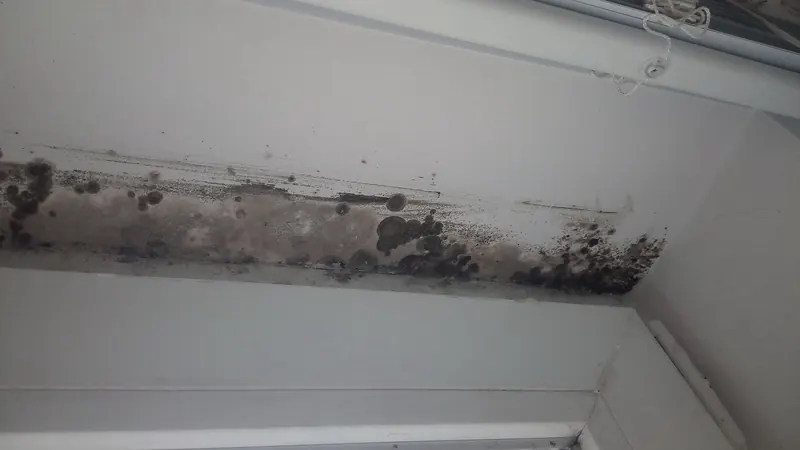
This service removes mold caused by high humidity and condensation on windows, walls and ceilings and points out how to lower moisture.
See humidity and condensation mold
Water damage mold cleanup removes mold that grows after a leak or flood and dries the structure so it does not return.
See water damage mold cleanup
Wall and drywall mold removal cuts out and replaces mold-damaged drywall and cleans the framing inside the wall.
See wall and drywall mold removal
A visual check and air samples are part of mold clearance testing performed after removal to confirm a clean space.
See mold clearance testing
This page explains what affects mold removal cost, such as the size of the area, the materials involved and any repairs needed.
See mold removal costFirst stop the leak or condensation and remove material that cannot be cleaned. Clean and dry hard surfaces that can remain, then replace damaged duct sections, finishes, drywall and insulation. Before cavities are closed and equipment is restarted, fix the drain, duct sealing or ventilation issue.
Although a defined question may be addressed by air sampling, no federal limit exists for mold levels indoors. Visible conditions and moisture findings give context to the results. Use an independent assessor to gather and interpret samples taken for clearance.
Fixr puts mold remediation in air ducts at $1,000 to $5,000 depending on scope. The scope depends on duct length, material, access, equipment contamination, containment, moisture repair and replacement needs. The published cost category that applies to your system is identified through inspection.
You cannot determine mold risk by its color. Dark marks could be dirt, mold or debris left by condensation. The practical questions concern the presence of growth, the source of moisture and the full extent. Avoid disturbing the area by scraping, and keep potentially contaminated equipment off.
Common sources are damp wall materials, a plumbing leak, cold-equipment condensation, an overflowing drain pan and a clogged condensate line. Correcting the moisture is necessary to keep cleaned growth from returning. Both the closet and connected equipment need assessment.
Responsibility for payment varies with the moisture source, your lease, building obligations and insurance coverage. Promptly tell your landlord or property manager, then retain photos and requests for maintenance. Find out who is responsible for the shared ducts and air handler. Under California's housing law, visible mold found by a health officer or code enforcement officer can make a rental substandard. Renters can contact their local health or code enforcement department to ask for an inspection. Retain all responses as part of your records.
For calm and useful guidance about HVAC and air duct mold removal, you can reach someone by phone 24 hours a day.