
Mold Remediation
Containing mold growth comes first in mold remediation, followed by removal, cleaning and correction of the moisture problem that allowed it.
See mold remediationGet a plan for mold in Baldwin Hills, including containment, drying and moisture correction.
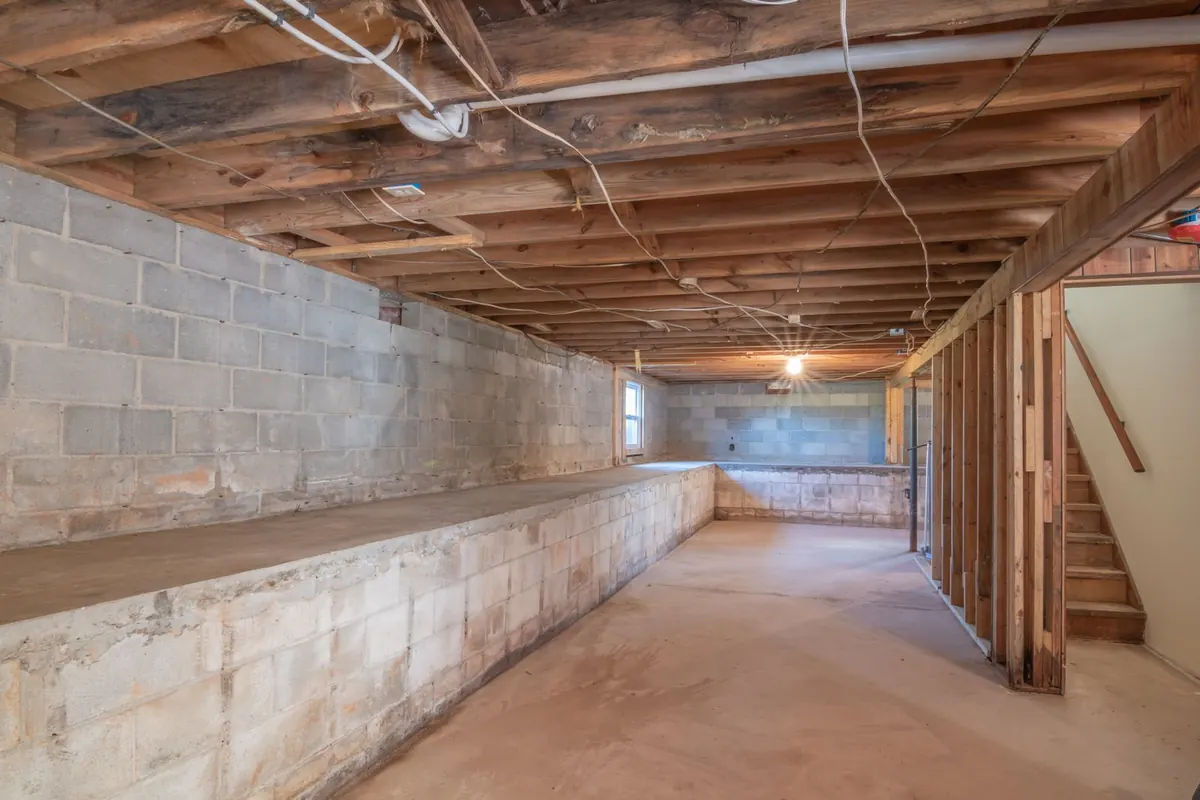
Remediation clears basement mold growth, dries affected spaces and fixes the source of moisture.
Inspect plumbing and look for condensation or seeping water. Lower-level finishes and foundation walls may be affected.
Containment and drying belong in a written work scope, along with any needed leak repairs or waterproofing.
Materials, drying targets, repair work and removal limits should be identified in the scope.
Ask how the moisture source will be found and fixed before repairs begin.
Confirm how the poly sheeting separates the work area from stairs, possessions and HVAC equipment.
Choose an independent assessor to conduct post-remediation verification.
Wet, porous material and extensive mold growth require cleanup under controlled conditions.
Floodwater can soak drywall, basement carpet and framing. To prevent mold growth, dry wet areas and items within 24 to 48 hours. Get professional help with contaminated water.
Wet drywall may be indicated by water stains, peeling paint or a musty odor. Moisture readings help focus inspections.
Concrete, cinder block and a foundation wall can stay damp. Correct water before cleaning.
You cannot tell risk from color. Start with the moisture fix, then remove or clean affected materials.
Reduce the water without disturbing the growth.
Call (844) 352-3560The published Fixr cost for basement mold removal is $1,500 to $4,000 per job. Other reported ranges and relevant waterproofing costs appear in the cards. Treat the guides as information, not a quote.
These ranges come from published national cost guides, not from a site visit. Following an on-site assessment, the property price should be explained to you before any work begins.
Ask about cost: (844) 352-3560A covered water event that happens suddenly may qualify under homeowners insurance. Humidity and long-term seepage are commonly left out.
A policy may treat a burst pipe differently from long-term seepage. Check the policy terms.
Under California's housing law, visible mold found by a health officer or code enforcement officer can make a rental substandard. Renters can contact their local health or code enforcement department to ask for an inspection. Save dated photographs and messages about repairs.
California's Toxic Mold Protection Act includes a landlord written-disclosure section (Health and Safety Code 26147). By its own wording it applies only after the state adopts mold exposure standards, and the state health department has said it could not set them. Keep the scope, photos, invoices and repair records.
Confirm the cause of water, required records and any mold sublimits.
Square footage, affected materials and concealed moisture determine the process.
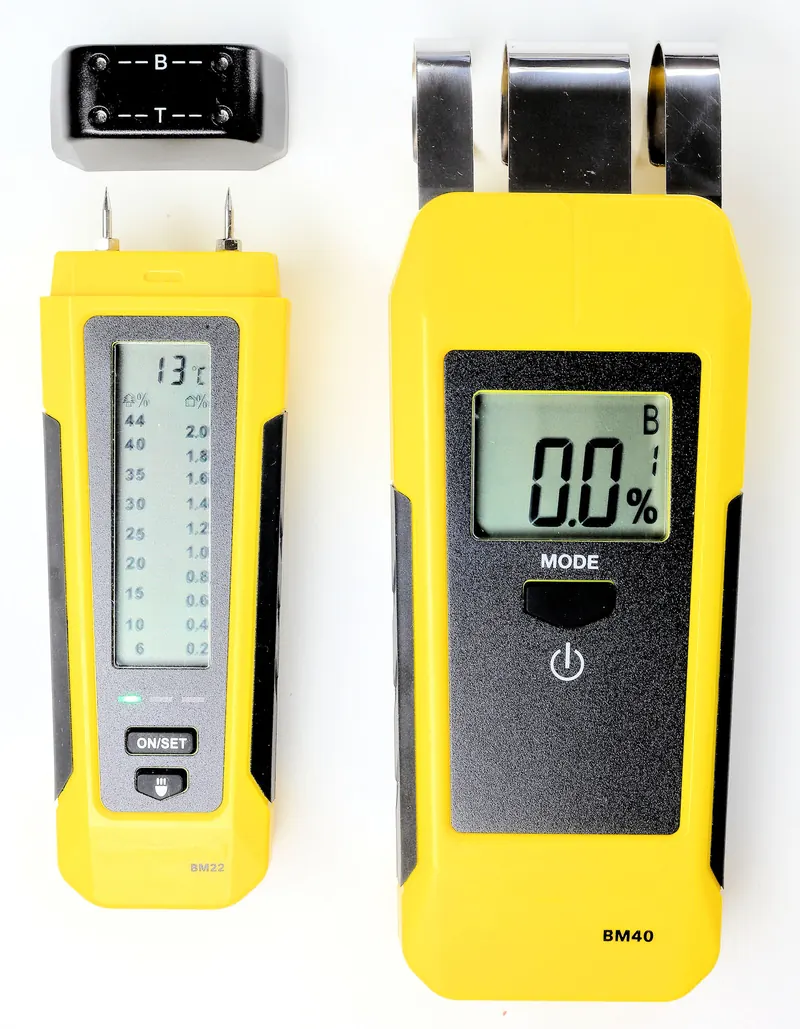
Check a damp basement by taking moisture readings.
Poly sheeting and negative air pressure separate the work zone.
An air filtration device and protective equipment are used during removal.
Drywall removal can extend to the carpet and insulation.
Mold on surfaces requires cleaning. Do not use antimicrobial treatment in place of cleaning.
Air movers or a dehumidifier aid drying. Correct ventilation and drainage prior to rebuilding.
Moisture readings help guide repair after remediation. An independent assessor should conduct clearance testing.

Call any hour. A basement mold removal specialist answers, talks through what you are seeing and explains the next steps.
Contaminated water, HVAC impact, hidden mold and large affected spaces require added controls.
A moisture meter detects damp materials. A thermal imaging camera cannot identify mold.
Contaminated water requires protective equipment and careful material decisions.
Negative air pressure and a containment barrier help restrict particles.
Can you clean it yourself? After fixing water, areas under about 10 square feet can often be cleaned, according to EPA. Professional help is needed for larger areas, contaminated water and HVAC systems.
Damage may require removal. Items suitable for cleaning can remain.

The timeline varies with area size, drying, removed material and moisture repairs. An inspection is needed before setting a firm schedule.
Hidden moisture in a material can create a musty smell. Check finished cavities as well as walls and carpet edges.
Indoor relative humidity should stay under 60 percent and ideally between 30 to 50 percent. Use a dehumidifier for support while correcting leaks and water seepage.

The full basement mold removal guide covers what is cleaned or removed, odor and air quality work, and the rules that apply in California.
Read the full basement mold removal guideLocal humidity and housing, along with access to your property, can influence mold cleanup planning, moisture control and containment.
When mold appears in a Baldwin Hills property, checking the room above, below, and beside it can reveal moisture moving through shared building materials.
Dry water-damaged areas and items within 24 to 48 hours to prevent mold growth, and remove porous material when it cannot be fully cleaned and dried.
Your call can include questions about mold cleanup availability in close-by communities and ZIP codes.
Containing mold growth comes first in mold remediation, followed by removal, cleaning and correction of the moisture problem that allowed it.
See mold remediation
During mold cleanup, affected surfaces and materials are cleaned, damaged items are bagged and the area is made ready for repairs.
See mold cleanup
Black mold removal addresses dark mold growth on wood and drywall by isolating the space and clearing affected materials.
See black mold removal
Growth concealed above ceilings, below floors or inside walls is found and removed during hidden mold remediation.
See hidden mold remediation (behind walls)
Wall and drywall mold removal cuts out and replaces mold-damaged drywall and cleans the framing inside the wall.
See wall and drywall mold removal
Water damage mold cleanup removes mold that grows after a leak or flood and dries the structure so it does not return.
See water damage mold cleanup
Flood and storm mold cleanup removes mold that follows floodwater, heavy rain or storm damage, including wet drywall and flooring.
See flood and storm mold cleanup
Mold damage restoration clears the growth before damaged insulation, flooring, drywall and other building materials are repaired or replaced.
See mold damage restorationYou cannot judge mold from its color. EPA guidance allows homeowners or renters to often clean an area under about 10 square feet after correcting the moisture. Larger growth, recurring patches, porous wall materials, contaminated water or HVAC involvement call for a professional assessment and controlled removal plan.
You may consider mold-resistant drywall when rebuilding, but the material does not fix seepage, excess humidity or leaks. Wait until framing and wall cavities are clean and dry before replacement. Ask your repair contractor which material meets local requirements and suits the location, and keep the lower level dry once work ends.
Safely stop the water and begin drying soon. EPA guidance says to dry water-damaged areas and items within 24 to 48 hours to prevent mold growth. Removal may be necessary for wet drywall, insulation and carpet. Assess drainage and indoor humidity before reconstruction. Contaminated water calls for help from an experienced professional.
Start with the moisture source. On larger jobs, porous materials with mold are removed, surface cleaning and drying follow, and HEPA filtration supports containment with negative air pressure. Sound framing and concrete can sometimes be cleaned, while wet drywall, carpet, pad and insulation may have to be removed. Match the plan to the water conditions and affected materials.
Look for musty odors, water stains, peeling paint, soft trim, damp carpet and recurring discoloration. Moisture meters can identify wet materials. Temperature patterns revealed by thermal imaging may need a closer look, but the images do not identify mold. Open a wall only for a clear reason and with a containment plan.
Water produces the moisture conditions that mold requires. Possible sources include seepage, floods, condensation, plumbing leaks and elevated relative humidity. EPA guidance says to dry water-damaged areas and items within 24 to 48 hours to prevent mold growth. Fix the water source rather than cleaning just the visible area.
Get calm, practical guidance about basement mold removal, with calls answered 24 hours a day.