Water Damage Mold Cleanup
Water damage mold cleanup removes mold that grows after a leak or flood and dries the structure so it does not return.
See water damage mold cleanupA mold after flood plan in Baldwin Hills should cover wet materials, containment, structural drying and source repair.
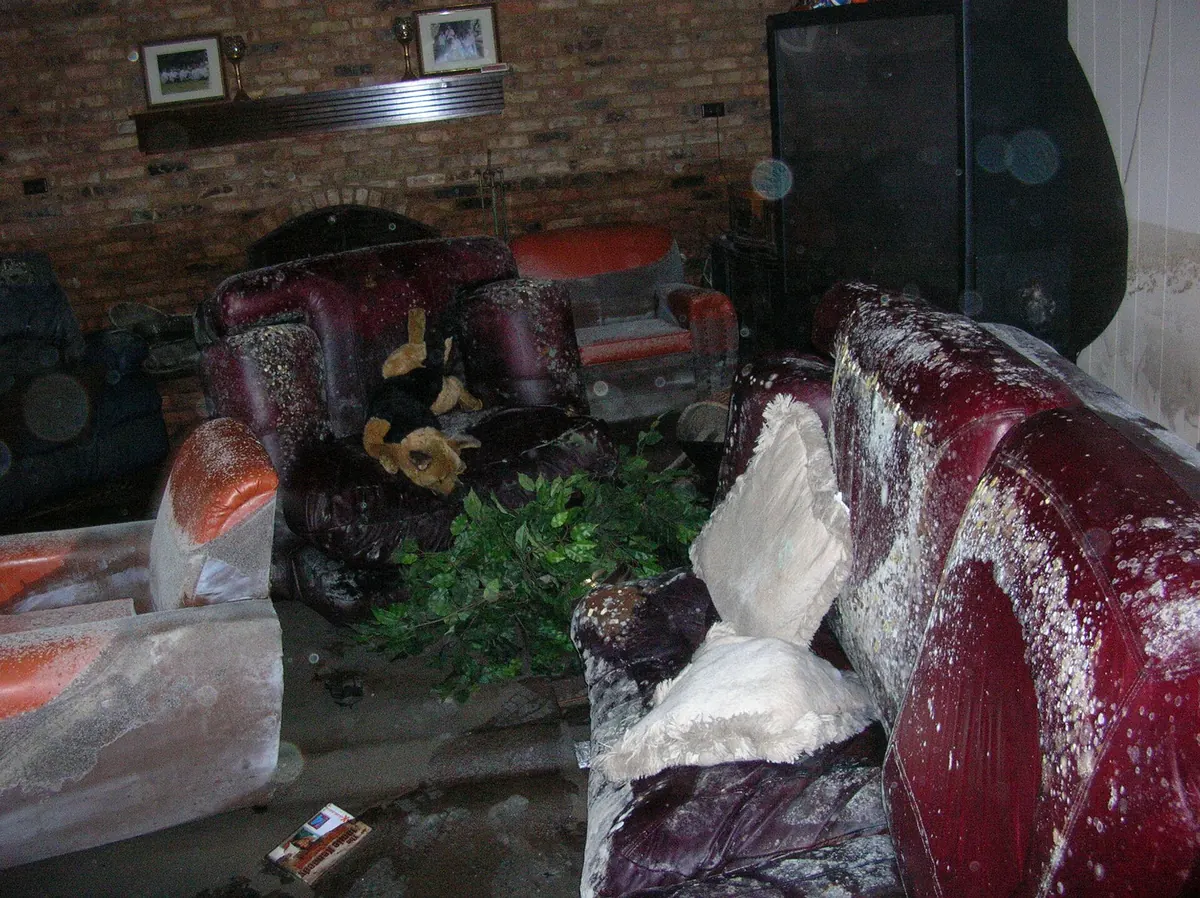
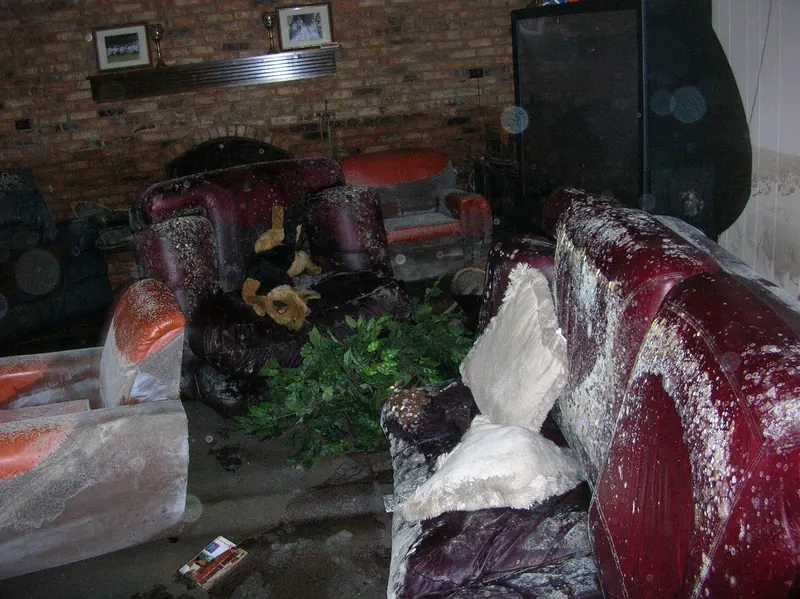
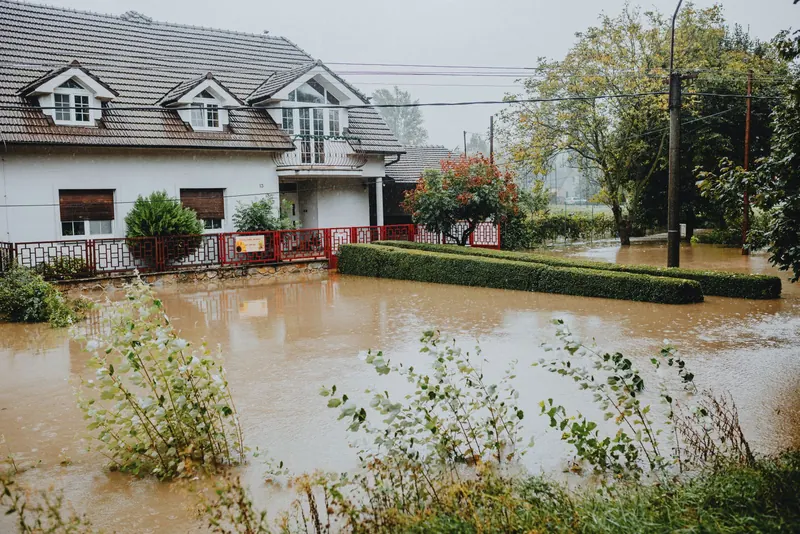
Wet materials, mold and drywall removal are addressed when storm surge, flood water or wind-driven rain enters.
A dry out, HEPA vacuum use, a containment barrier and extraction may be part of the work. Mold can return if the source remains.
The source, materials, cleanup methods and drying checks should appear in a written scope of work. Keep repairs separate.
Learn how containment separates clean spaces and keeps people, pets and possessions away.
Have an independent assessor conduct clearance testing.
Find out how the water path is traced and what confirms drying.
Your scope should list the materials, cleanup methods, drying checks and responsibility for repairs.
You may need cleanup if materials remain wet or mold growth becomes visible.
Water can remain behind flooring and finishes in a basement, crawl space or another lower level.
Roof openings, contaminated water and power loss can leave wet insulation.
Color does not show risk. Assess the affected area along with dampness, contamination and material types.
Surface dryness cannot confirm that insulation, the wall cavity or subfloor has dried.
Protect people, document existing conditions and safely stop the water before starting cleanup.
Call (844) 352-3560Fixr says flooded basement cleanup ranges from $2,000 to $85,000 and drying a 500 square foot basement after flooding ranges from $2,000 to $7,000 with repairs excluded. Neither range is a mold quote.
These ranges come from published national cost guides, not from a site visit. Following an on-site assessment, the property price should be explained to you before any work begins.
Ask about cost: (844) 352-3560The source, policy terms and limits on mold decide whether coverage applies. Floodwater might be treated in another way.
Ask whether the cause is covered, flood insurance applies or mold has a sublimit.
Retain photos, extraction documents, moisture readings and an affected-material inventory.
Insurance terms may separate sudden events from maintenance problems and gradual seepage.
Under California's housing law, visible mold found by a health officer or code enforcement officer can make a rental substandard. Renters can contact their local health or code enforcement department to ask for an inspection. Who pays varies based on the source, your lease and the policy. California's Toxic Mold Protection Act includes a landlord written-disclosure section (Health and Safety Code 26147). By its own wording it applies only after the state adopts mold exposure standards, and the state health department has said it could not set them. Save your records.
The sequence starts with water control. Next come containment and removal, followed by cleaning, drying and final checks.
An inspection records affected materials, moisture readings and the water source.
Poly sheeting and negative air pressure separate the work zone from clean rooms.
Although a HEPA air scrubber catches particles, you still need to remove the source.
Porous materials may need removal if complete cleaning and drying are not possible.
Cleaning is used on non-porous surfaces. Air movers and a dehumidifier support drying.
Arrange for an independent assessor whenever you plan air sampling or clearance testing.

Call at any time. A flood and storm mold cleanup specialist answers, talks through what you are seeing and explains the next steps.
Large affected areas, hidden moisture, HVAC involvement or contaminated water need attention from a professional.
Moisture readings help identify wet cavities, subflooring and insulation following water removal.
Safety measures vary for category 1 water, category 2 water and category 3 water.
To control debris, use an air filtration device with negative air pressure and a containment barrier.
Can you clean it yourself? According to EPA, homeowners can often clean an area under about 10 square feet. You need professional help if HVAC is involved, water damage is widespread or contaminated water entered.
The amount of time varies with contamination, access, damaged materials and drying needs. The schedule follows inspection findings.
A recurring leak or damp hidden space can create a musty smell after rainfall. Deodorizer will not solve the source.
EPA recommends keeping indoor relative humidity under 60 percent, with 30 to 50 percent as the ideal range. Managing humidity can support indoor air quality, but it is not a substitute for repairs.

California has no state license or certification for mold assessors or remediators, according to the California Department of Public Health. General construction work above a small dollar amount does need a license from the Contractors State License Board (CSLB), so it is worth checking a contractor's license there and asking about their mold training. Ask whether permits apply to demolition, electrical work, roofing or rebuilding.
EPA says that within 24 to 48 hours you should dry water-damaged areas and items to prevent mold growth.
The federal government has not set an indoor mold limit. The scope follows moisture and conditions.
The California Department of Public Health (CDPH) Air Quality Section publishes mold and dampness guidance and a mold FAQ. CDPH says visible mold, dampness, and mold odor are unhealthy and should be fixed, and that routine mold testing is not needed when mold is visible. FEMA publishes information about recovery. Your local office answers permit questions.
The full flood and storm mold cleanup guide covers what is cleaned or removed, odor and air quality work, and the rules that apply in your state.
Read the full flood and storm mold cleanup guide
Local housing, humidity and property access can shape moisture control, containment and mold cleanup planning.
When mold appears in a Baldwin Hills property, checking the room above, below, and beside it can reveal moisture moving through shared building materials.
Dry water-damaged areas and items within 24 to 48 hours to prevent mold growth, and remove porous material when it cannot be fully cleaned and dried.
During your call, ask whether mold cleanup is available in surrounding communities and ZIP codes.
Water damage mold cleanup removes mold that grows after a leak or flood and dries the structure so it does not return.
See water damage mold cleanup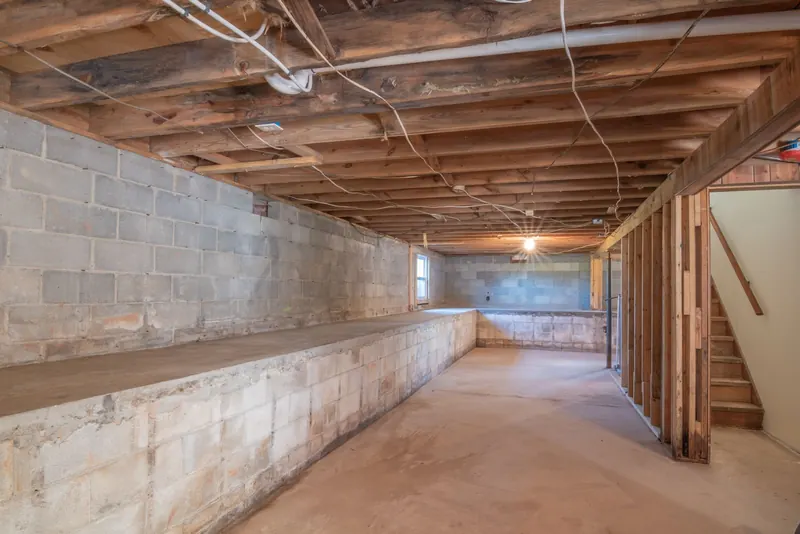
Basement mold removal cleans mold from walls, floors, framing and stored items in damp basements and addresses the moisture behind it.
See basement mold removal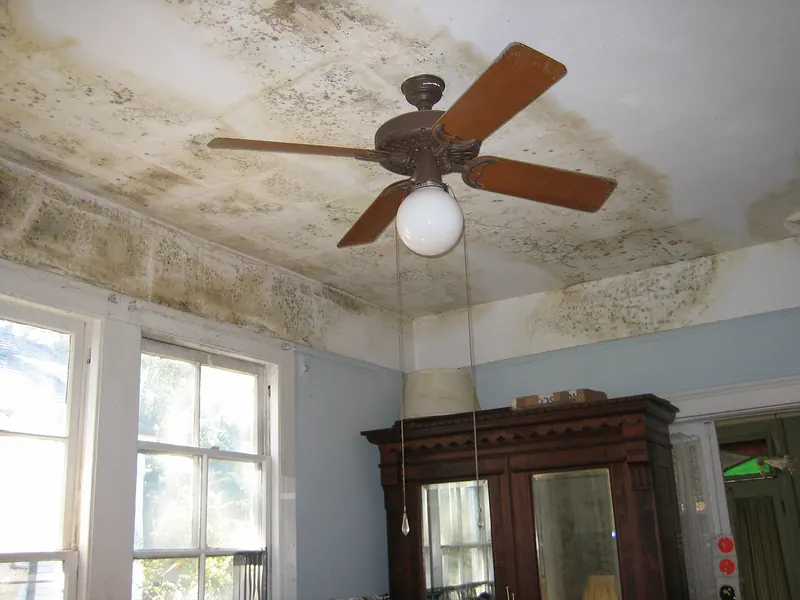
Once the leak source is located, mold after a roof leak is cleared from affected wall, attic and ceiling areas.
See mold after a roof leak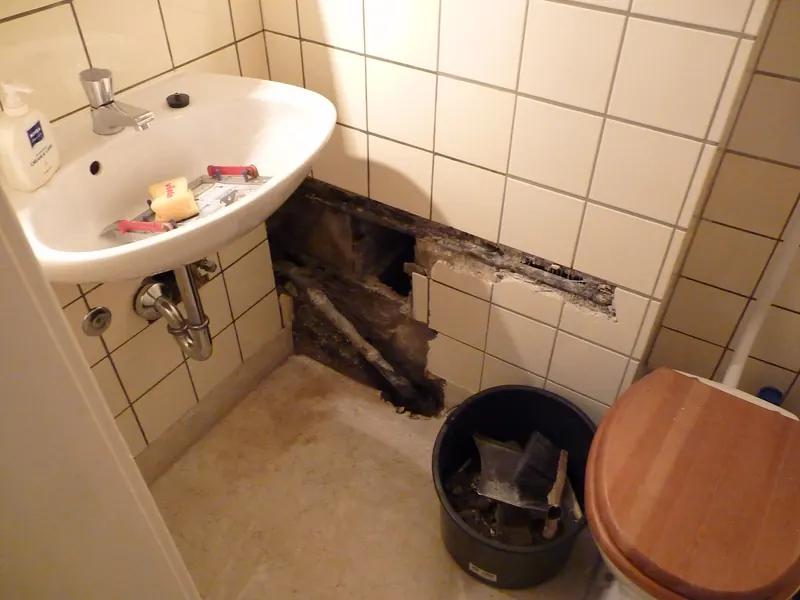
Plumbing leak mold is removed from wall, floor and cabinet materials left wet by a burst pipe or by a slow drip.
See mold after a plumbing leak or burst pipe
Wall and drywall mold removal cuts out and replaces mold-damaged drywall and cleans the framing inside the wall.
See wall and drywall mold removal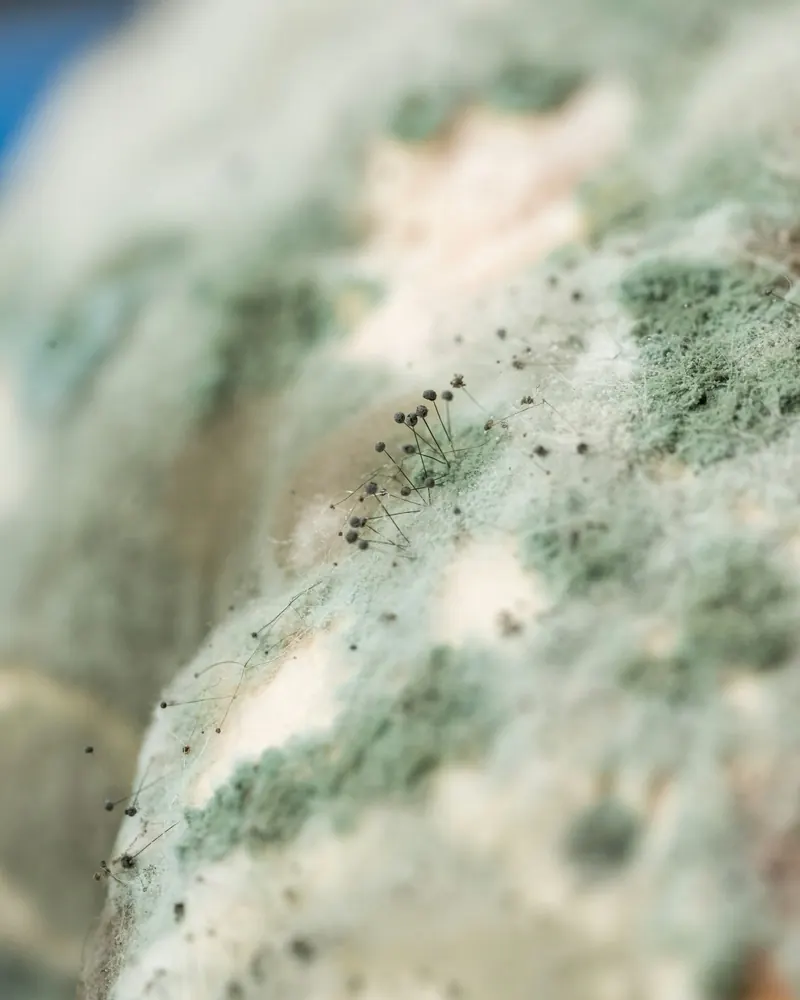
During subfloor mold removal, affected flooring and carpet are either cleaned or replaced after the underlying moisture source is addressed.
See floor and subfloor mold removal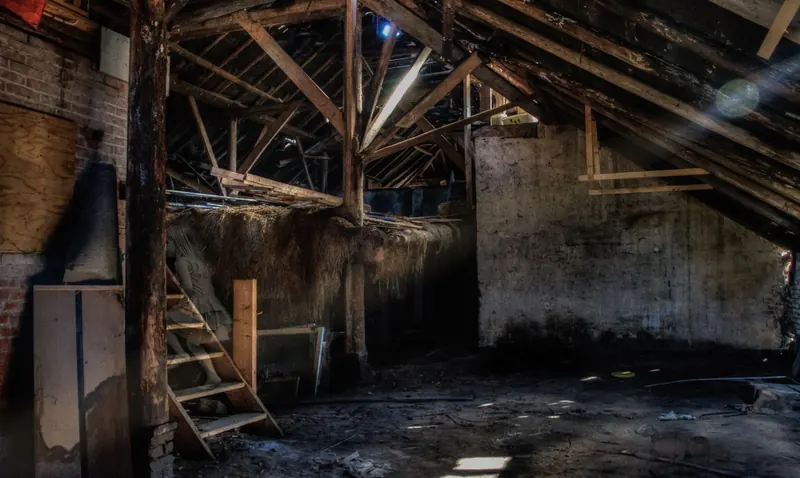
Insulation mold removal clears wet or moldy insulation from crawl spaces, walls and attics so new material can go in after cleaning.
See insulation mold removal
A visual check and air samples are part of mold clearance testing performed after removal to confirm a clean space.
See mold clearance testingThe source of damage and your policy affect coverage. Your homeowners insurance may treat flooding separately from a sudden interior leak. Terms for water damage and mold may include limits. Report the loss quickly and save claim documentation. Ask the insurer what it needs before you discard materials or start lasting repairs.
Visible mold, stains, swelling and musty odors are signs to look for. Your check should cover hidden water paths, including below flooring and behind baseboards. Your moisture meter helps identify material requiring closer examination. You still need visual and moisture checks even when air sampling is performed.
Mold color cannot tell you how risky it may be. HVAC involvement, area size and hidden moisture matter after a hurricane, as do contaminated water, damaged materials. People with weak immune systems, asthma or lung disease should avoid the affected space.
Do not rely on a fixed growth clock. EPA guidance says to dry water-damaged areas and items within 24 to 48 hours to prevent mold growth. When it is safe to proceed, begin water extraction, take out material that cannot be kept and start the drying process.
Do not begin water extraction until electrical and structural hazards have been addressed. Begin structural drying after you remove mud and silt and assess affected porous finishes. Before you rebuild or close a wall cavity, correct the source such as drainage or a sump pump, then track humidity and moisture readings.
Control incoming water, safely extract standing water and dry any materials you can reach. Take out porous materials if you cannot clean and dry them. As needed, use dehumidification and moisture readings in flooring, wall cavities and insulation, since their surfaces can look dry while dampness remains.
Get calm, practical guidance about flood and storm mold cleanup, with calls answered 24 hours a day.